You've got stucco on your house, and maybe you've noticed a crack, some discoloration, or just want to make sure everything's holding up. So, you start thinking about getting it inspected. But then you hear about a couple of different ways to do it: a simple visual inspection or something called 'destructive testing.' What's the real difference, and which one do you need?
Visual Stucco Inspection: The Quick Look
This is what most folks think of when they hear 'stucco inspection.' Someone comes out, walks around your house, looks at the stucco, taps on it, maybe uses a moisture meter on the surface. They're checking for obvious cracks, bulging, staining, or areas that sound hollow when tapped. It's a good first step, and it's definitely cheaper and less intrusive.
- Cost: Typically, this is the most affordable option. You're paying for someone's time and expertise to spot visible issues.
- Durability insights: It can tell you if there are surface-level problems that might impact durability, like widespread cracking or areas where the stucco is clearly delaminating. But it won't tell you what's happening *behind* the stucco.
- Maintenance insights: A visual inspection can point out areas that need immediate repair, like a crack that's letting water in, or a spot where the finish coat is failing.
- Appearance impact: Zero. Nothing is touched or altered on your home.
- Recommendation: If you're just doing a routine check-up, buying a home with relatively new stucco, or have only minor, isolated concerns, a visual inspection is a solid starting point. It's also great for spotting general wear and tear or minor flashing issues around windows and doors.
Destructive Stucco Testing: Getting to the Core
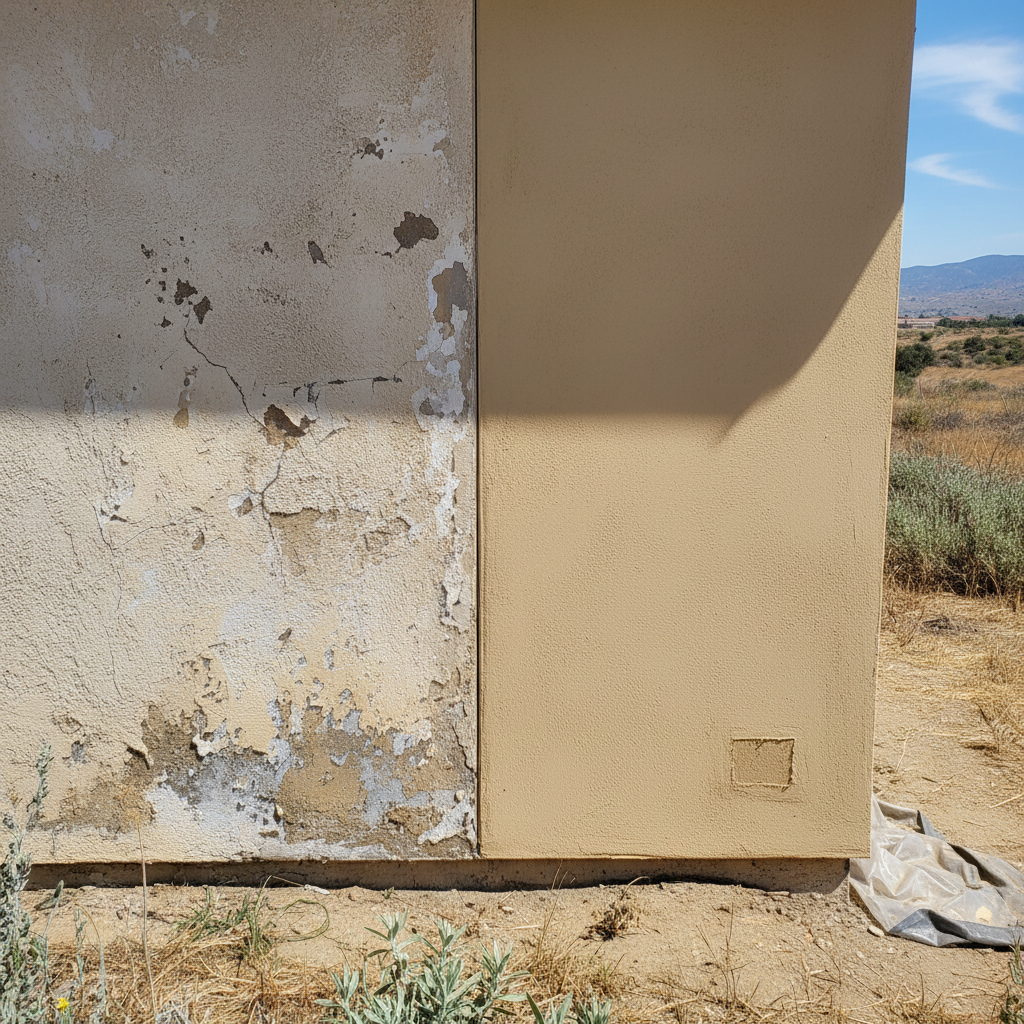
Now, this is where we actually get into the wall. Destructive testing means making small, strategic cuts or holes in your stucco to see what's going on underneath. We're talking about looking at the lath, the weather-resistive barrier (WRB), and the sheathing. We'll use a borescope or actually open up a section to check for moisture, rot, mold, and proper installation of the layers.
I know, 'destructive' sounds scary. Nobody wants holes in their house. But here's the deal: these are small, planned openings, usually in inconspicuous spots or areas already showing signs of trouble. And we patch them up properly when we're done. The goal isn't to damage your home, it's to get the real answers.
- Cost: This is more expensive than a visual inspection because it's more labor-intensive, requires specialized tools, and involves repair work afterward.
- Durability insights: This is where you get the truth. You'll know if water has penetrated the system, if the WRB was installed correctly, if there's rot in the sheathing, or if the lath is rusting. This is critical for understanding the long-term durability and structural integrity.
- Maintenance insights: Destructive testing gives you a precise diagnosis. Instead of guessing, you'll know exactly what repairs are needed, how extensive they are, and what caused the problem in the first place. This allows for targeted, effective repairs that save you money in the long run.
- Appearance impact: Temporary, localized openings that are patched. A good contractor, like us at Fontana Stucco & Plastering, will match the texture and color as closely as possible, but you might see subtle differences in the patched areas.
- Recommendation: If you're seeing significant staining, persistent moisture issues, stucco that's crumbling or bulging in multiple areas, or if you're buying an older home with stucco (especially one built before modern building codes for WRBs were strictly enforced), you really need destructive testing. Also, if a visual inspection raises red flags but can't pinpoint the cause, destructive testing is the next logical step.
Why Destructive Testing Matters, Especially in Fontana
Here in Fontana, we get our share of rain, and sometimes it comes down hard. We also have homes built over decades, with varying construction practices. I've seen plenty of houses, especially some older ones around the Jurupa Hills area, where what looked like a minor surface crack was actually a symptom of serious water intrusion and rot behind the stucco. A visual inspection alone would have missed that completely, letting the problem get worse.
Think about it: stucco is designed to be a durable, low-maintenance exterior. But if water gets behind it and can't drain out, it can cause major damage to the wood framing underneath. That's a structural issue, not just an aesthetic one. Ignoring it can lead to massive repair bills down the road.
My Recommendation
Look, I'm not going to tell you to always go for the most expensive option. If your stucco is relatively new, well-maintained, and you just want a general check-up, a visual inspection is probably fine. It's a good baseline.
However, if you have any serious concerns, visible signs of water damage, or if you're looking at an older stucco home, you owe it to yourself to get destructive testing. It's the only way to truly understand the health of your stucco system and prevent small problems from becoming catastrophic failures. It gives you peace of mind, and it allows for repairs that actually fix the underlying issue, not just cover it up.
Don't just guess what's going on behind your walls. Get the facts.