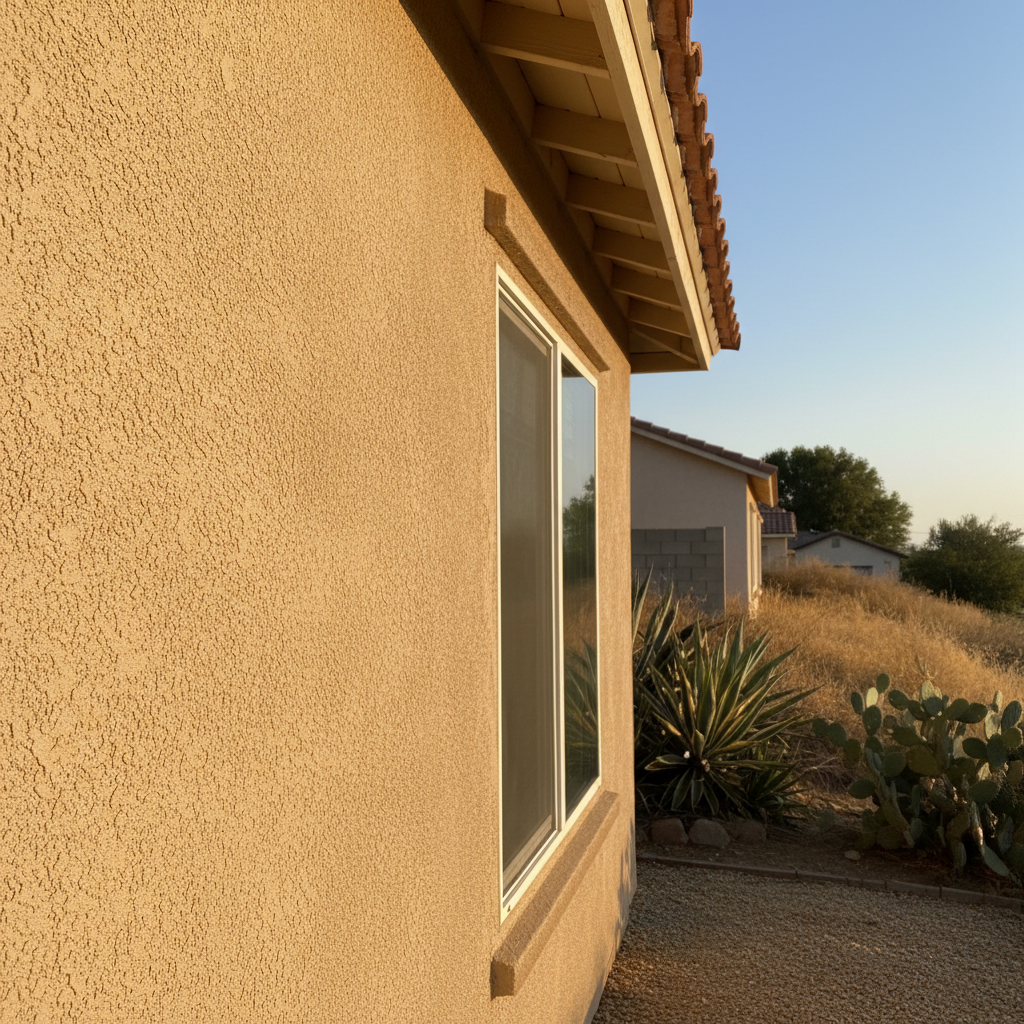
So, you're looking at your stucco and thinking it might be time for a change. Maybe it's seen better days, or you're just ready for a fresh look. I get a lot of questions about stucco replacement from folks right here in Fontana, and I figured it'd be helpful to put together some honest answers. No fluff, just what you need to know from someone who's been doing this for a while.
Why do I even need to replace my stucco? Can't I just patch it?
This is probably the most common question I hear. Look, patching is great for small, isolated cracks or dings. If you've got a few hairline cracks or a small section that got hit by a rogue soccer ball, a good patch job can make it look new again and protect your home. But if your stucco is showing widespread, deep cracking, crumbling, or large sections are delaminating (peeling away from the wall), then patching is just a temporary band-aid. You're not fixing the underlying problem, and you'll be patching again and again. Sometimes, water intrusion has caused damage to the sheathing underneath, and you won't even know it until you open up the wall. In those cases, replacement is the only way to properly address the damage, prevent further issues, and give your home a solid, long-lasting exterior.
What's the typical process for stucco replacement?
It's not just slapping on new material, that's for sure. First, we'll protect your property – landscaping, windows, doors, everything gets covered up. Then, the old stucco comes off. This is the messy part, but it's crucial. We strip it down to the sheathing, inspect for any hidden damage like rot or mold, and make repairs if needed. After that, we apply new building paper or a weather-resistive barrier. This is your home's main line of defense against water. Then comes the lath – usually a metal mesh – which gives the stucco something to grab onto. Next, we apply the scratch coat, followed by the brown coat, which gets leveled and smoothed. Finally, the finish coat goes on. This is where you get your texture and color. Each layer needs time to cure properly, so it's not a super fast process, but that's what makes it durable.
How long does a stucco replacement project usually take?
That really depends on the size of your home and the complexity of the job. A smaller, straightforward home might take a week or two from start to finish. A larger, more intricate house with lots of architectural details, multiple stories, or significant underlying damage could easily take three to four weeks, sometimes even longer. Weather plays a big role too. We can't apply stucco in heavy rain, and extreme heat can affect curing times. Here in Fontana, we get those hot summers, so we often adjust our work schedule to avoid the peak heat of the day, which can add a little time but ensures a better result. We'll give you a clear timeline upfront, and we'll keep you updated if anything changes.
Is stucco replacement a good investment for my home's value?
Absolutely. Think about it: your home's exterior is the first thing people see. If it's cracked, faded, or falling apart, it definitely detracts from curb appeal. A fresh, properly installed stucco exterior not only looks fantastic but also offers excellent protection against the elements, which means less maintenance headaches down the road. It can significantly boost your home's aesthetic appeal and perceived value. Plus, modern stucco systems offer good insulation properties, which can help with energy efficiency, and that's always a selling point. It's an investment in both the look and the structural integrity of your property.
What about moisture and water intrusion? Will new stucco prevent that?
This is a big one, and it's where a lot of older stucco systems failed, especially if they weren't installed correctly to begin with. The answer is yes, a properly installed stucco replacement system is designed to manage moisture effectively. It's not just the stucco itself; it's the entire system. We use modern building papers or synthetic wraps, flashing around windows and doors, weep screeds at the bottom, and proper sealants. These components work together to create a drainage plane that directs any water that gets behind the stucco safely out and away from your home. It's all about making sure water can't get trapped and cause damage to your sheathing or framing. That's why choosing an experienced contractor like Fontana Stucco & Plastering is so important – we know these systems inside and out.
How much does stucco replacement cost?
This is the million-dollar question, and honestly, there's no single answer without seeing your home. The cost depends on several factors: the size of your house, the number of windows and doors (each opening requires more detailed work), the complexity of the architectural details, the type of stucco finish you choose, and whether there's any hidden damage that needs to be repaired once the old stucco is removed. Generally, you're looking at a significant investment, but it's one that protects your home for decades. We always provide a detailed, transparent estimate after a thorough inspection. Don't just go with the cheapest bid; make sure you're comparing apples to apples and that the contractor is using quality materials and proper installation techniques. Cutting corners here will cost you more in the long run.
What kind of maintenance does new stucco require?
One of the great things about stucco is its low maintenance. Once it's properly installed, you won't have to paint it every few years like wood siding. Generally, a good wash down with a garden hose or a pressure washer on a low setting once a year or so is usually enough to keep it looking clean and fresh. You should also do a visual inspection periodically, especially after heavy rains or strong winds, just to check for any new cracks or signs of wear. If you see anything concerning, it's always best to call us to take a look. Addressing small issues early can prevent them from becoming bigger, more expensive problems down the line.